
Chances are that you spend more of your time communicating virtually nowadays than you do face to face. Entire companies like Buffer, Flexjobs and Upwork are comprised entirely of distributed teams while other companies have employees spread out across the globe in multiple office locations. Working with employees across the hall from you comes with it’s own set of challenges, working with employees you’ve never even met can be daunting. What are the secrets to making virtual communication work?
Establish expectations. Every team member should have a clear understanding of their role, responsibilities and what will be expected from them. The process works two fold by establishing trust in you as a leader and in them as a team member. Failures tend to happen when expectations aren’t clear – they make everyone involved look bad.
Get everyone together. At least once, at the kick off of a project get the entire team together. It’s much easier to establish both personal and professional relationships when meeting face to face. This is also the perfect time to layout the ground rules and establish exactly how and when virtual communication will happen. Team members can chime in with preferences or nuances that will make the flow more efficient – i.e. “I prefer all communication to flow through the work portal.” or “Feel free to text message me with questions.” Meeting face to face builds trust and connections. If possible try to reconnect quarterly or annually.
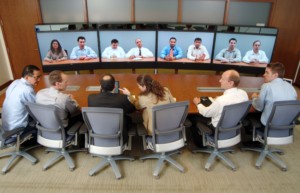
Embrace technology. Virtual communication is possible due to technology. Make sure everyone on the team has access to the same technologies and use them. Hold video meetings via Skype. Communicate with the entire group using Slack. Jing can allow you to create video tutorials to take team members through new processes or presentations. The possibilities are endless. Choose the ones that work best for your team and projects/ They may change on a project by project basis depending on requirements.
Focus on results. Managing a team where you rely on virtual communication means that you aren’t around to observe daily activities. Many of those are actually just wasted time though. Manage the results team members are putting out instead. Jeffrey may have been silent much of Tuesday but when he turns in the entire analysis of the budget two days early on Wednesday with his recommendations for cost savings – it’s easy to see that he is producing results/ Be wary of the employee that always has time for virtual communication – these are the ones who tend to have much to say but don’t get nearly as much done.
Schedule. Schedule regular opportunities for group communication. Establish a 15 minute daily or biweekly group chat that serves as a virtual water cooler at a consistent time. This gives everyone a chance to discuss project statuses, issues or even warn of upcoming vacations or appointments. Hold regular conference calls or video conferences. Establish the results you expect from the conference ahead of time so everyone can be prepared. Send out an agenda with what team members need to be prepared to discuss or share with the group.
Coach. Whether you are leading a team that is physically based within an office or spread out globally – you still need to take the time to coach them and allow them to reach their potential. Check in individually with team members. Offer points for improvement and praise for jobs – or virtual communication – well done. Virtual team members tend to feel less appreciated because the boss can’t take them out for coffee or lunch for a job well done. Make sure they are still getting the recognition they deserve regardless of location.
Virtual communication is the new normal. Chances are that at some point you will work with people you’ve never met and seemingly share nothing in common with. While it comes with its challenges it also allows companies to truly create the best possible teams based on skills and abilities. Virtual communication means you can create cross departmental teams using the best of each location – IT in California, Marketing from Chicago, Research and Development in London and so on. Create virtual communication that works and your team will prosper and deliver.





Leave A Comment